
Tag: Health

  • Yogic Breathing

    Yogic Breathing

    Yogic breathing expands our lung capacity inviting a healthier body

    Breath is the prana or the life force. As long as we have breath, we are alive.
    In general as we go around our daily life, many of us use less than 30% capacity of our lungs and no wonder we feel tired and lethargic. With a sound yoga practice we are able to increase our lung capacity immensely with the help of simple postures, movements and even more so through controlled breathing techniques or pranayama practices.

    It is very important that we learn to breathe correctly.

    In our yoga classes students are often in doubt about when to inhale and when to exhale. We also see students incorrectly moving the belly in during inhale and moving out during exhale.

    With inhalation we breathe oxygen into our body and through exhalation we release carbon dioxide out. During inhalation, the diaphragm (serving as buffer between the organs in the abdomen and the organs in the chest cavity) contracts or moves down to bring air in and relaxes or moves up during exhalation pushing air out. During shallow breathing, the diaphragm stays in a raised position.

    During normal breathing the lungs expand as we inhale and contract as we exhale.

    During belly breathing, also called diaphragm breathing, we use our diaphragm to push as much air out of the lungs as possible during exhalation so that we can completely fill our lungs with more oxygen as we breathe in. Our belly pushes out during inhale and moves in towards the spine during exhale. The chest stays more or less still. We do belly breathing when we want to breathe in and out deeply.

    Confusion also exists around how to breathe when we crunch our belly in the various yoga asanas. We are still breathing just not through expansion of our belly! ~ Umang Goel
  • Yogic Backbends for Spine Health

    Yogic Backbends for Spine Health

    Yogic Backbends for Spine Health


    The spinal column houses the nervous system, and as such by maintaining a healthy spine, you maintain a healthy nervous system – obstruction free circulation of nutrients and oxygen.

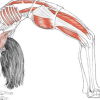
    Yogic Backbends prove to be immensely helpful in making your spine healthy, strong and flexible. There are several backbends in yoga from those in standing poses (standing backbend), to sitting (camel pose) and the restorative supine backbends (fish pose, bridge and the full wheel) and many others. Practice them all and reap the benefits.

    Backbending Basics:

    Observe basic safety during backbends  and pay attention to alignment and these will go a long way towards a healthy body.

    Inhale-Exhale: Make sure you do not hold your breath as you go into the backbend.

    Lengthen your Spine: No matter which backbend you go into, always focus on lengthening your spine and you will have a deeper backbend.

    Keep yourself relaxed: Always strive for a calm balance even before you go into a backbend and you will have a smooth ride.

    Pay attention to your shoulders: rotate your shoulders away from the ears instead of scrunching them up. this will enable you to keep a neutral curve in the spine.

    Engage your core:  engaging your core will help you balance as you go into a backbend.

    Be firm with your arms and legs: arms and legs play an important role. Use them wisely.

    ~ Umang Goel

  • Yoga Helps Manage Disorders

    Yoga Helps Manage Disorders

    Practice Asanas To Manage Disorders

    Managing disorders like Irritable Bowel Syndrome (IBS), Heart Burn and Acid Reflux, Temporary Mandibular Joint (TMJ), and Obsessive Compulsive Disorder (OCD)

    Before you do anything, as a rule, check with your doctor first.

    Practice yoga/controlled breathing/meditation/visualization techniques regularly and get both mental and physical uplift.

    Stress itself is the cause behind many illnesses mental and physical, and Yoga with its ability to effectively reduce daily life stresses and anxiety in turn reduces and manages all other outcomes of stress as well.

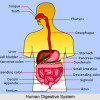
    Irritable Bowel Syndrome (IBS): Yoga increases the blood flow towards the digestive tract and is a proven way of managing issues related with digestion and helps stabilize digestion (and in many cases alleviates and prevents as well with a proper diet and in conjunction with healthy habits). It is helpful in managing IBS, Crohn’s, ulcerative colitis, diarrhea, constipation, abdominal pain, bloating and nausea. Practice asanas like twists and those that massage the internal organs and get relief.

    TMJ: Practices asanas that release shoulder and neck tension, and those that bring the flow of blood towards the cranium and TMJ (downward facing dog, shoulder stand, fish pose, bridge pose, full wheel, legs up the wall…) Headstand should be avoided since it may put extra pressure in the TMJ. Meditation and especially visualization techniques to “unhinge you jaws,” to “relax and let go” are extremely helpful.

    Heart Burn and Acid Reflux: Calming the mind and body is essential in relieving any disorder. Poses like Downward Dog (Adho Mukha Svanasana), Cat Pose (Marjariasana/Bidalasana), half spinal twist (Ardha Matsyendrasana), Easy Pose (Sukhasana), Wind-relieving Pose (Pavanmuktasana), and Corpse pose (Savasana) are excellent in calming all senses. 

    OCD: Kundalini Yoga – breathing in and out through your left nostril stimulates the right side of the brain that controls emotions and psychiatric stability – is highly effective (closing the right nostril, inhaling through the left for 15 seconds, holding for 15 seconds and exhaling for 15 seconds and repeating this cycle). This in conjunction with meditation proves to be very effective in managing OCD. 

    Above all change the way you think, for attitude is everything, and changing your attitude can be life transformational. Living a yogic way of life is an answer to life issues, since the limbs of yoga is all inclusive and very comprehensive. Make this your way of life and see your life bloom.  ~ Umang Goel

Call Now Button